The technical side of building digital products in 2026
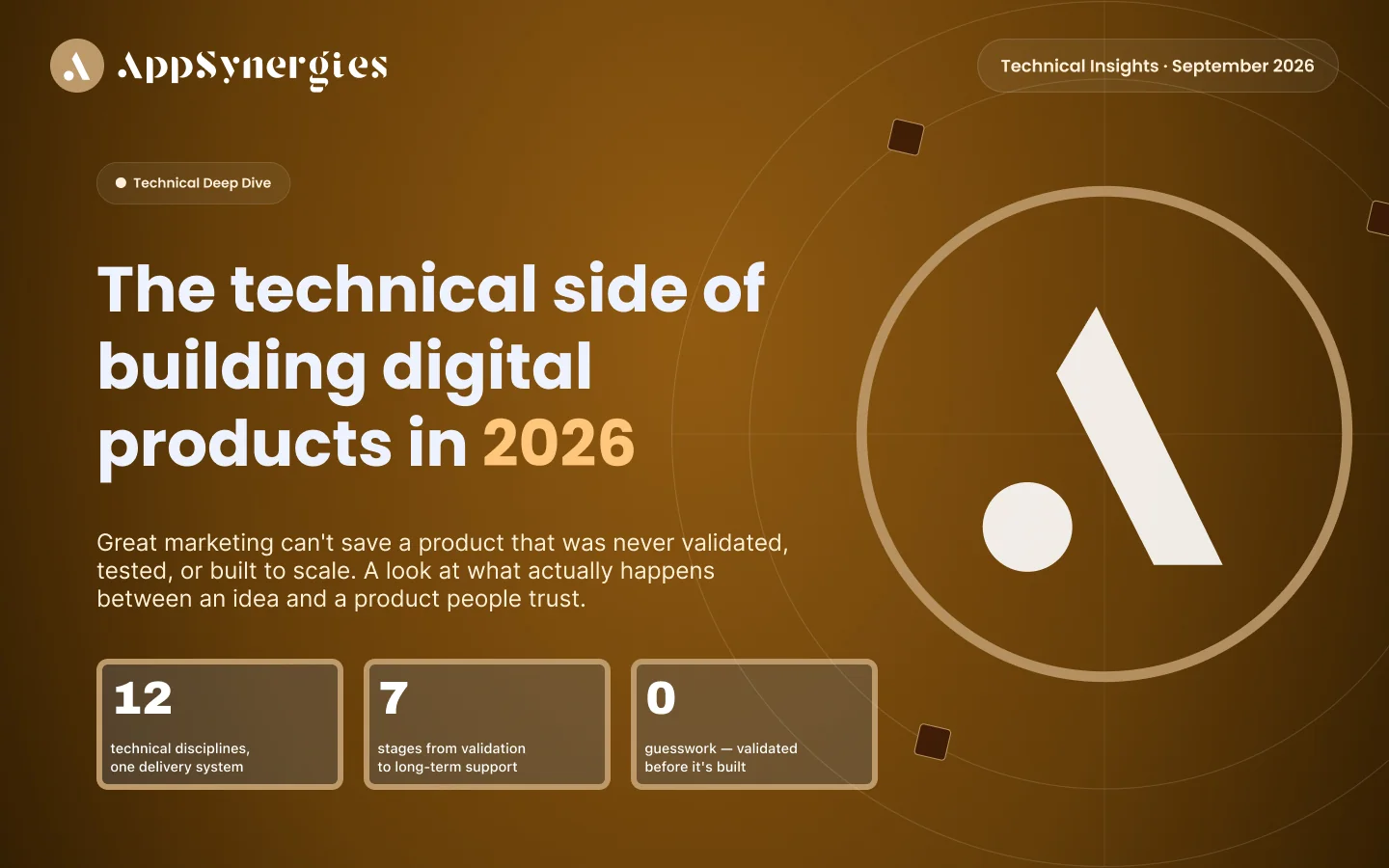
Great marketing can't save a product that was never validated, tested, or built to scale. A look at what actually happens between an idea and a product people trust.
01
Most products don't fail in marketing. They fail before the first line of code
A slick landing page can't fix a product nobody validated, an architecture that can't scale, or a launch nobody tested.
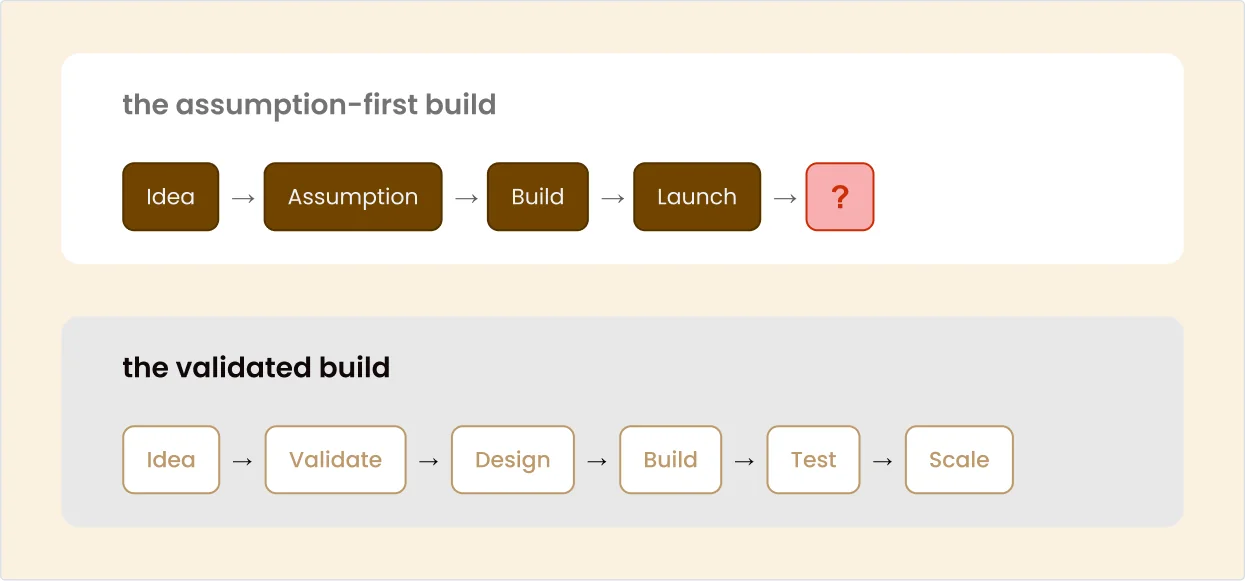
The quality of the build decides whether marketing has anything worth scaling in the first place.
02
Before you build, test whether it's worth building
A Product Validation Sprint compresses months of guesswork into days of real feedback.
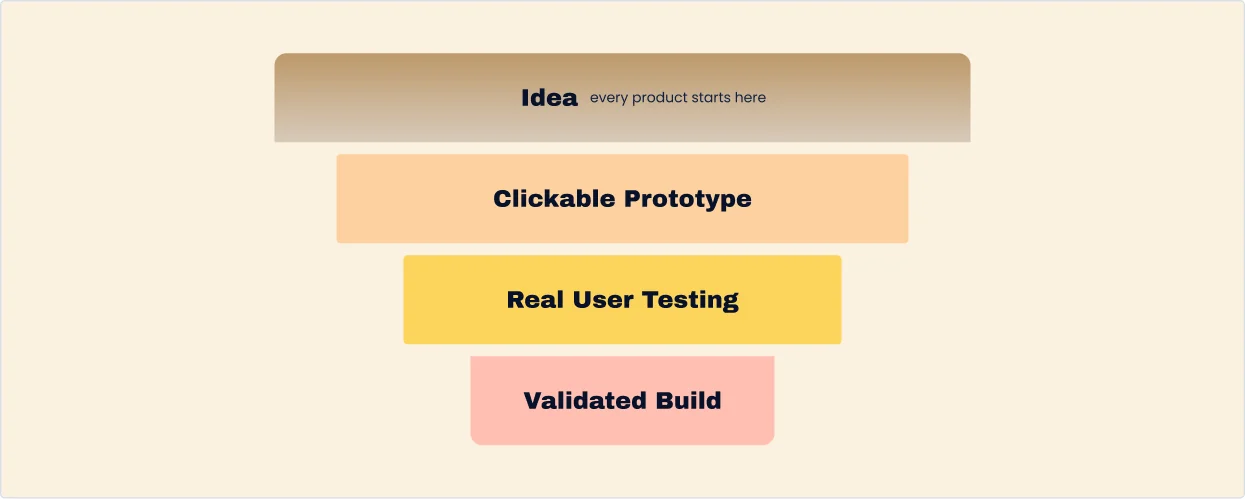
It's far cheaper to kill a bad idea in week one than to discover it in month six.
03
"We built it and they didn't come"
The most expensive sentence in software isn't "that will take longer." It's this one.
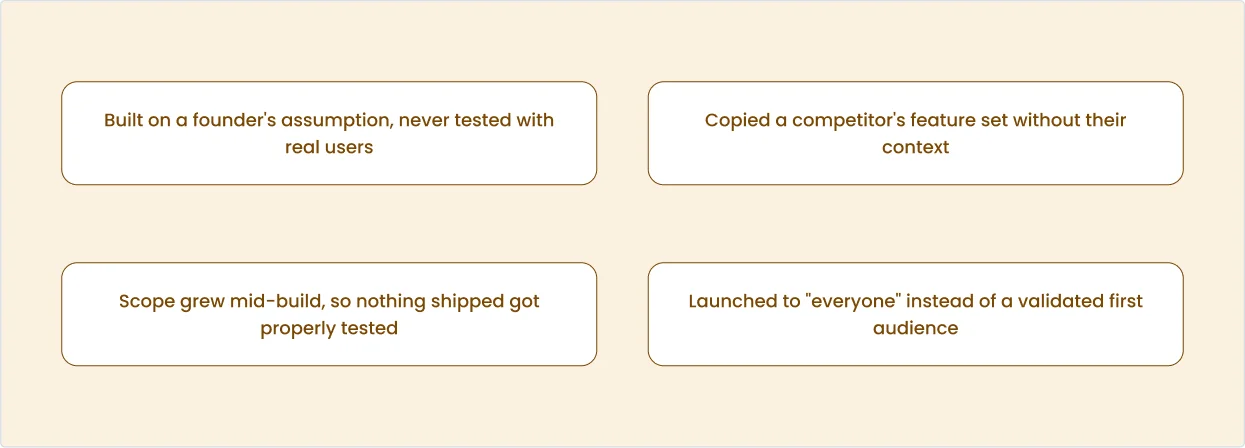
Validate the demand before you finalise the scope, not after the launch goes quiet.
04
Design isn't decoration. It's a technical decision
The problem usually isn't the traffic. It's everything after the click.
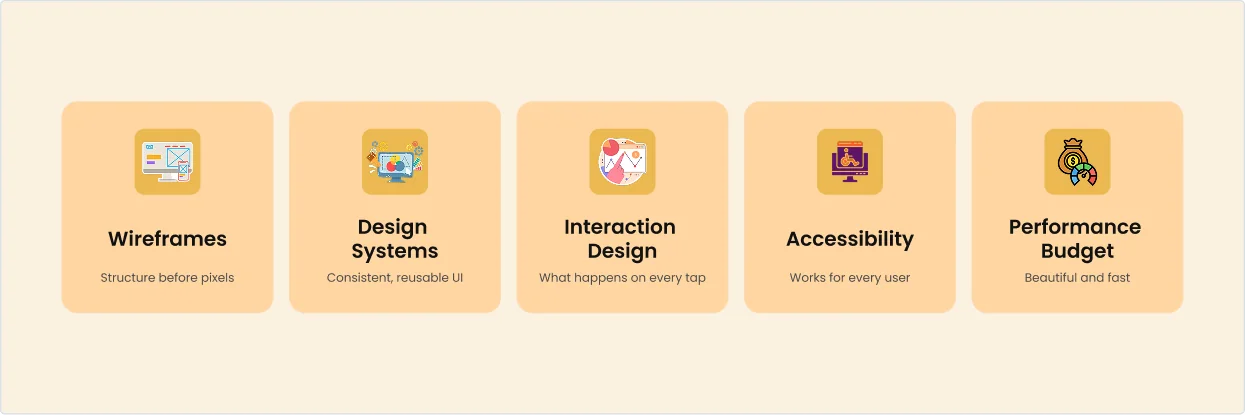
A design that engineering can't build at speed isn't a finished design — it's a wish list.
05
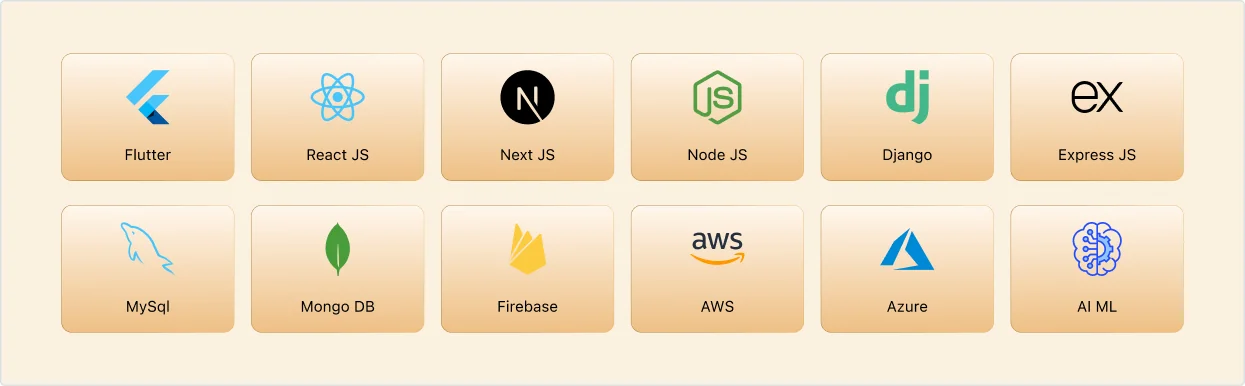
There's no "best" tech stack. Only the right one for this product
In 2026, social is Discovery + Search + Trust + Community + Conversion — all at once.
Stop asking "what should we post today?" Start asking "what stage of the journey does this content serve?"
06
AI shouldn't be a feature bolted on at the end
The products that use AI well design the data pipeline first, the model second, the feature last.
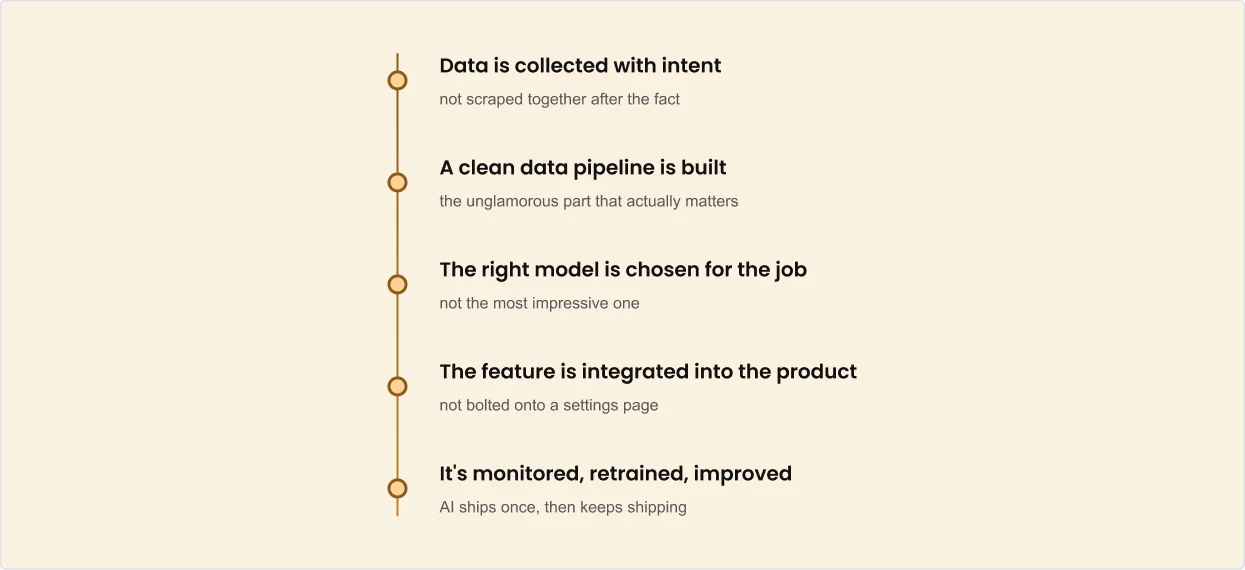
AI is the engine under the product, not a dashboard widget added at the end.
07
The layer nobody sees is the one that decides if you scale or crash
Every hour spent on testing is an hour saved during a launch spike.
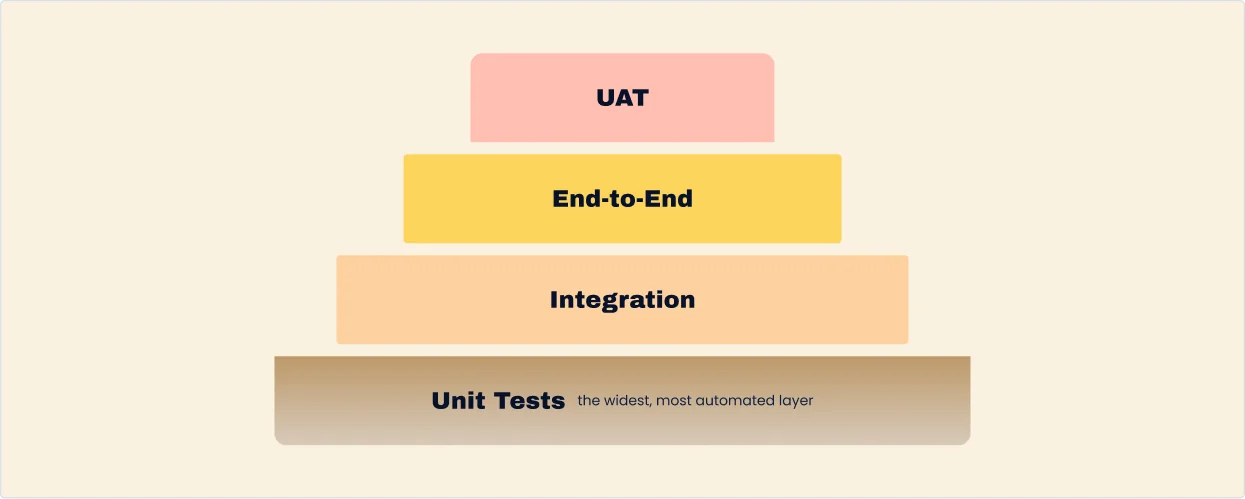
Untested code isn't finished code — it's a well-formatted guess.
08
"We'll scale the infrastructure later" is how outages happen
Managed cloud vs. DIY DevOps — the real trade-off isn't cost. It's response time when something breaks.
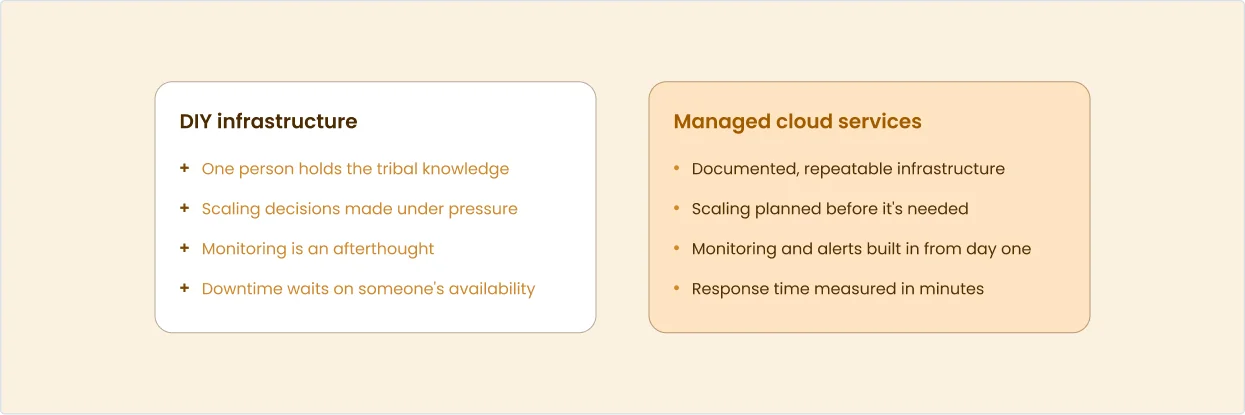
Infrastructure planned before the traffic spike is infrastructure that survives it.
09
The best engineering decisions start as business questions
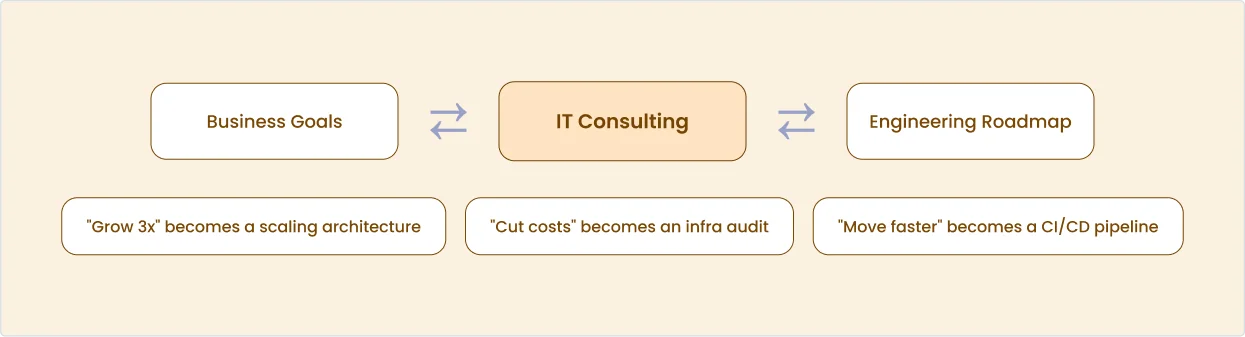
IT consulting exists to translate "we need to grow 3x" into an actual architecture decision.
Infrastructure planned before the traffic spike is infrastructure that survives it.
10
Your product is already collecting the answers. Is anyone looking?
Business Intelligence turns raw product data into decisions someone can actually act on.
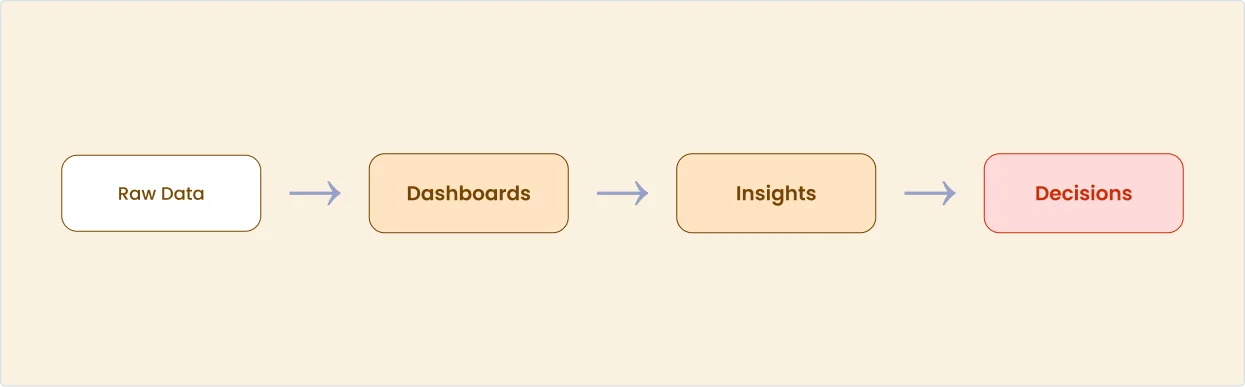
The goal isn't removing humans. It's making sure they spend time only on high-intent opportunities.
11
In e-commerce, a slow checkout isn't a bug. It's a revenue leak
Every extra second of load time is a customer quietly deciding whether to stay.
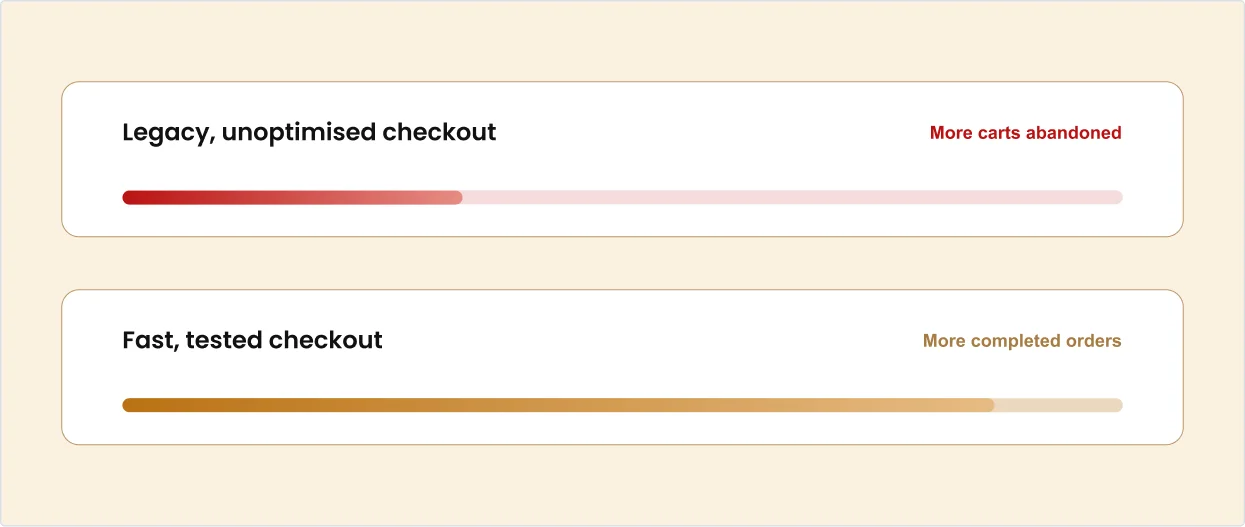
The product didn't lose the sale. The 90 seconds before payment usually did.
12
Digital transformation isn't a rebrand. It's a rebuild
A roadmap only means something once it's connected to real systems.
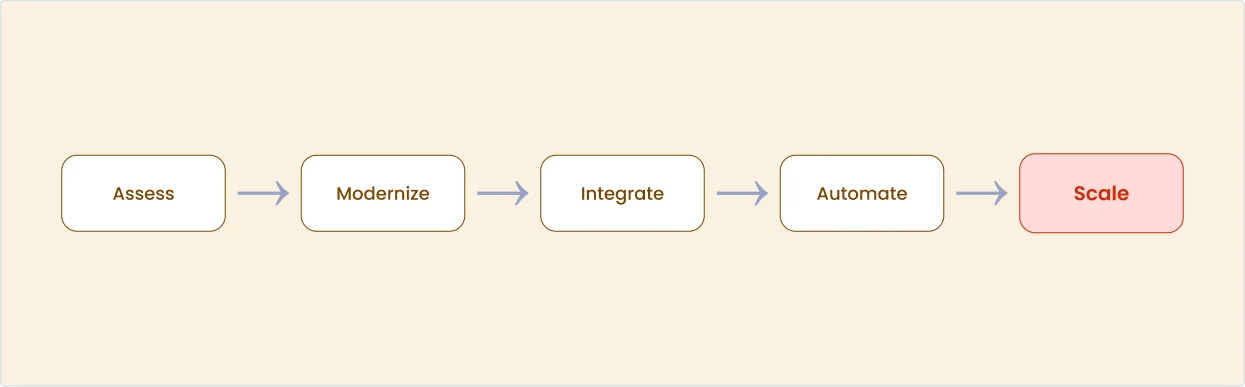
Every stage has to touch actual code, actual data and actual infrastructure — or it's just a slide deck.
13
Fixed price, dedicated team, or onsite — the model matters as much as the tech
The right engagement model depends on how defined the scope is, and how fast things need to move.
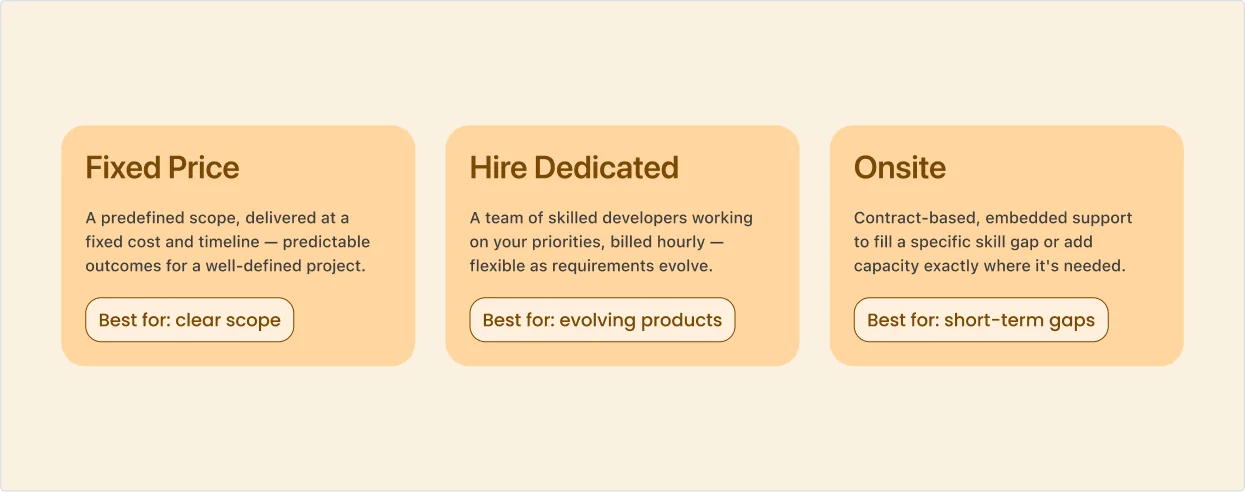
The wrong model can make a technically sound project feel like a mismatch from day one.
14
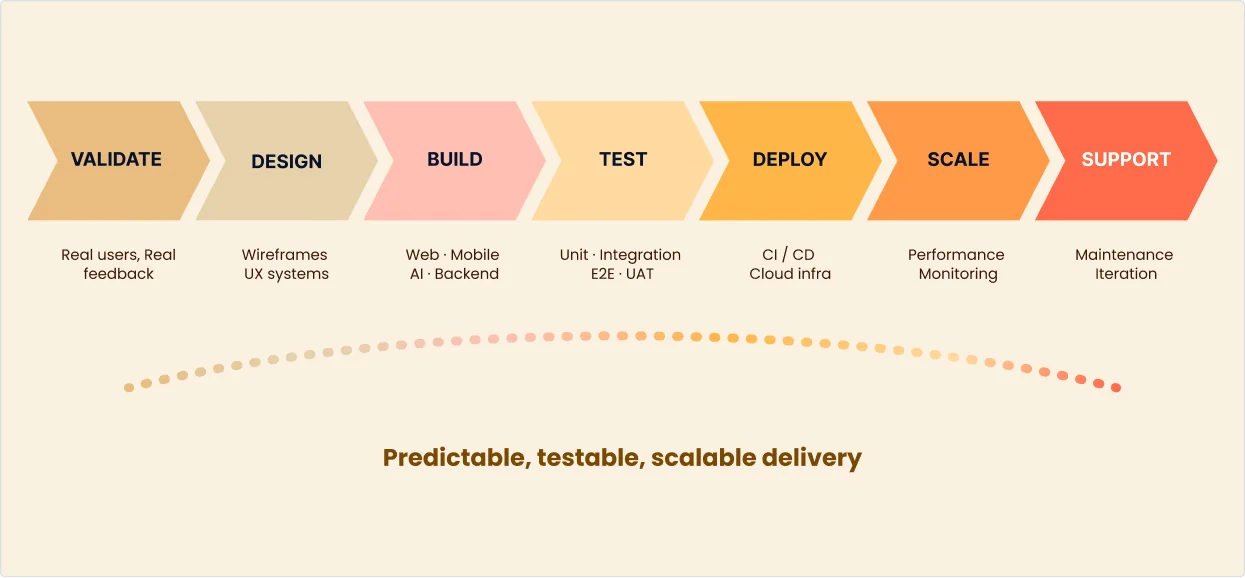
One framework, from idea to a product that holds up at scale
Vanity metrics can be useful. They shouldn't be the final measure.
15
Technology has become a business decision, not a back-office one
The products that hold up under real usage combine:
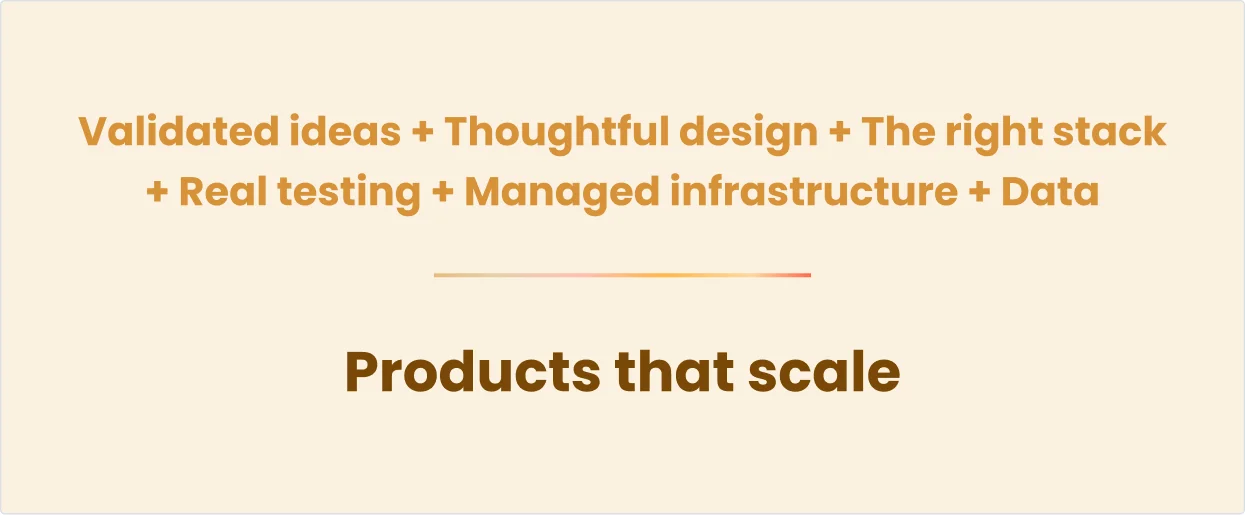
It's no longer "can we build this?" It's "will this hold up under real usage, real traffic and real change?" Products built on assumptions instead of validation, or on stacks nobody chose deliberately, tend to show it eventually — in outages, in churn, in rebuilds. Products built on a connected technical system get something far more valuable: the ability to scale without starting over.
The future isn't about shipping fast. It's about shipping something that's still standing a year later.